Our History

A cemetery landscape shaped by early settlement, church cooperation, and generations of Bells Corners families.

Established in the formative years of Bells Corners

Bells Corners developed as a crossroads settlement west of central Ottawa, and its cemetery grew alongside the region's early religious and family networks.

Historical references associated with the Bells Corners United Church story and City of Ottawa heritage records place the roots of the cemetery in the early 1850s. Those same records note that land donated by early settler Hugh Bell supported a church-and-cemetery site that became central to the village's identity. The cemetery therefore reflects both burial history and the cooperative civic history of a small rural community becoming part of the modern city.

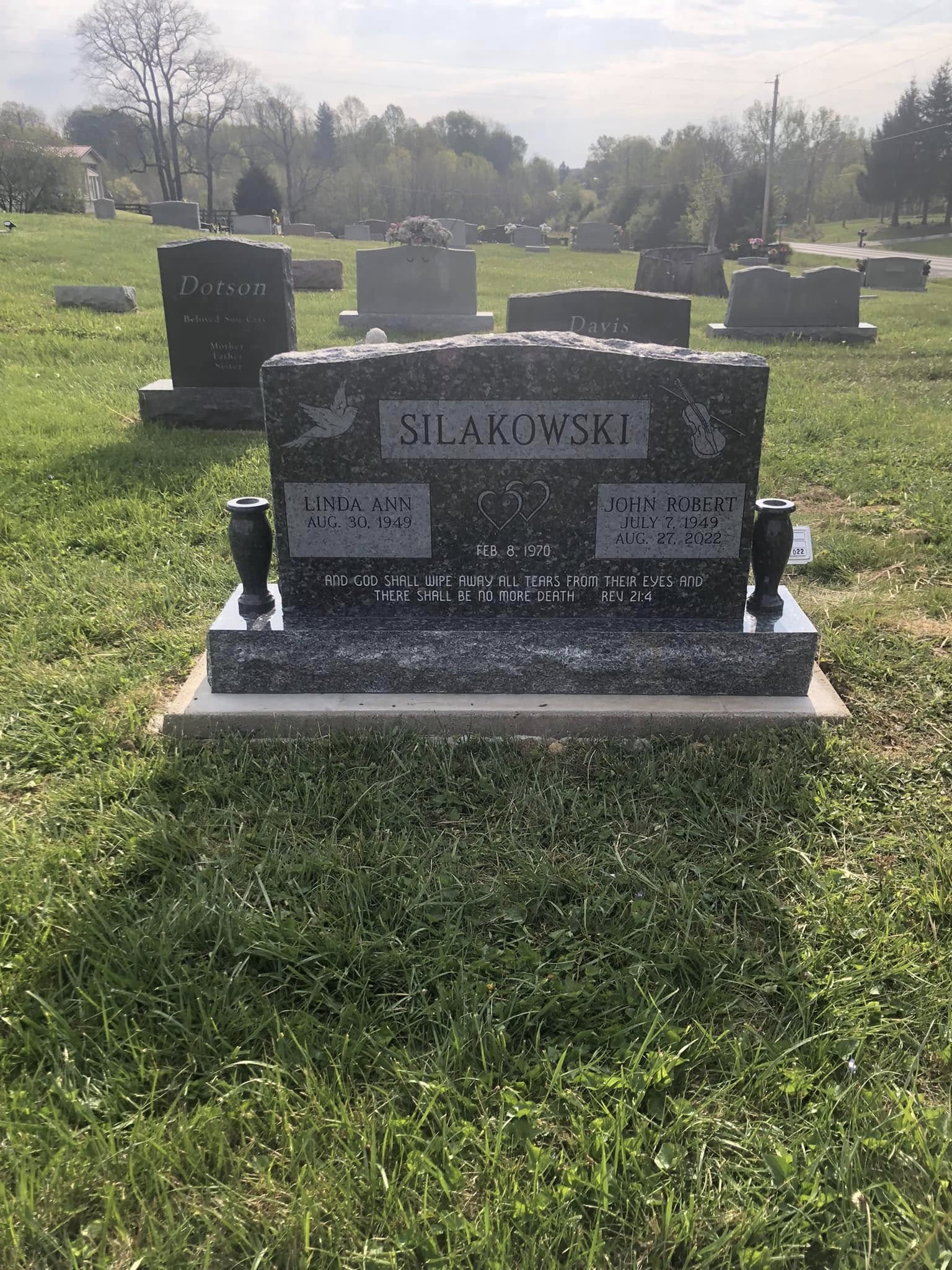
Wide view across Bells Corners Cemetery showing markers set among mature trees and open lawn

Key moments in the cemetery's story

A concise historical narrative based on local heritage references and community tradition.

1820s

Early ministry reaches the district

Visiting ministers and small rural congregations helped establish the pattern of worship and settlement that would later support a permanent church and cemetery site in Bells Corners.

1853

Union church and cemetery grounds take shape

Heritage records identify 1853 as the year the Bells Corners Union Cemetery was established on land associated with Hugh Bell, with Anglican, Methodist, and Presbyterian trustees worshipping on the site.

1870

The site endures a period of regional change

Community accounts note that the original Union Church was the only building to survive the great fire of 1870, underscoring the resilience of the site and its importance to local residents.

1898

Congregational development continues nearby

As religious life expanded in Bells Corners, the Presbyterian congregation built the Drummond Church on Robertson Road, while the cemetery remained a visible anchor to the earlier village era.

1992

Heritage designation affirms local significance

City heritage records note that the Bells Corners Union Cemetery was designated a historical property under the Ontario Heritage Act by Nepean City Council in 1992.

Today

Ongoing care through Board stewardship

The present-day Board continues the work of maintenance, records care, heritage interpretation, and family support so the cemetery remains a living historical landscape.

A record of settlement, service, and local identity

The cemetery preserves evidence of the families who shaped Bells Corners during its village years and through its transition into Ottawa's west end. Heritage descriptions of the Union Cemetery note burials connected to original community founders, and the broader site reflects the agricultural, church, military, and family networks that once defined the area.

For genealogists, cemeteries like this are more than burial spaces. They are indexed landscapes of kinship, migration, and memory. For local historians, they reveal how communities commemorated ordinary lives alongside public service, wartime sacrifice, and pioneer settlement.
Bells Corners in the wider Ottawa story

Bells Corners sits in Ottawa's west end near the modern Robertson Road and Old Richmond Road corridor, bridging rural history and suburban growth. Over time, the area connected farming families, village institutions, regional travel routes, and later residential neighbourhoods. The cemetery remains one of the clearest physical links to that earlier landscape.

That context matters because preservation here is not abstract. It protects one of the few places where the original community fabric is still materially visible.

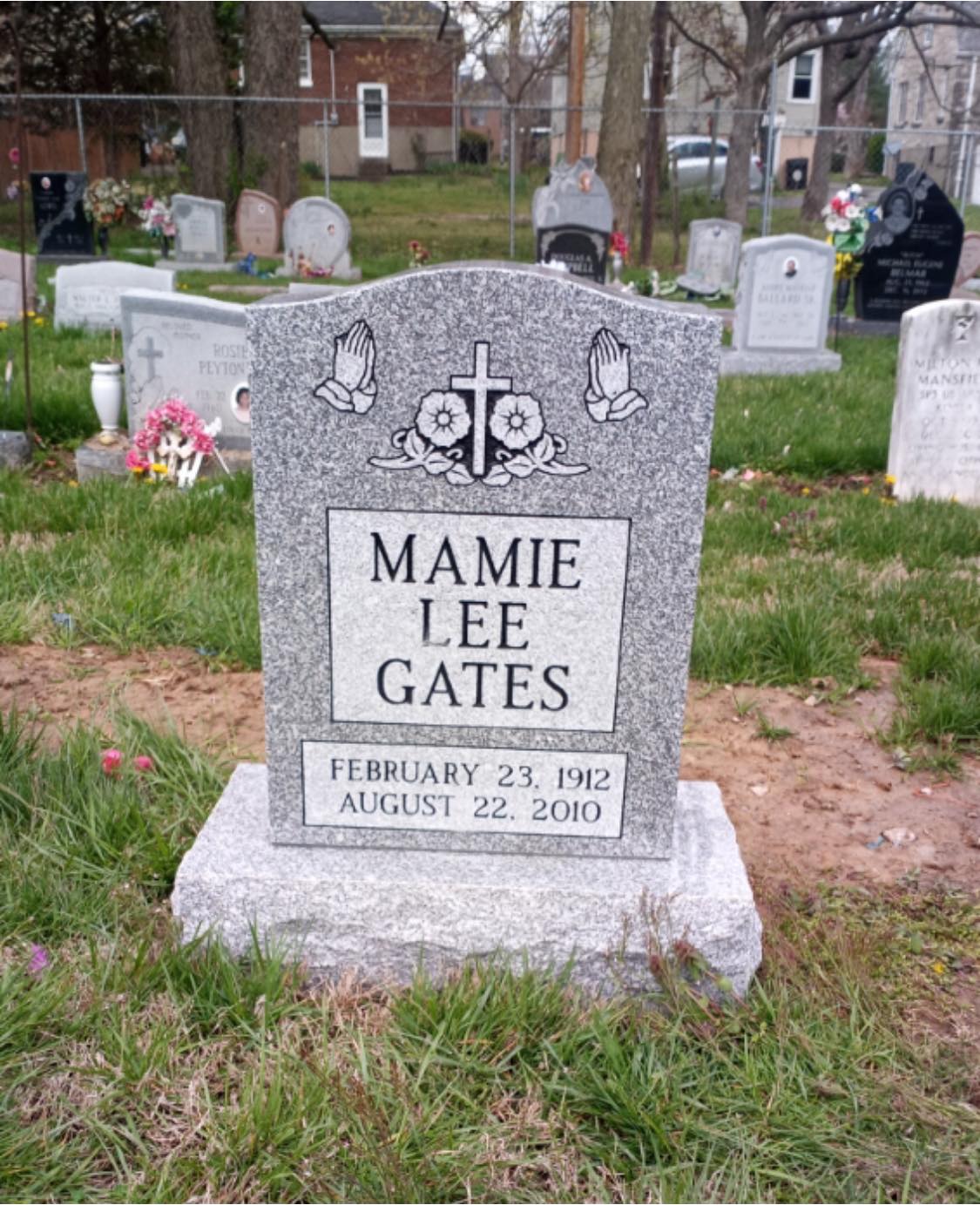
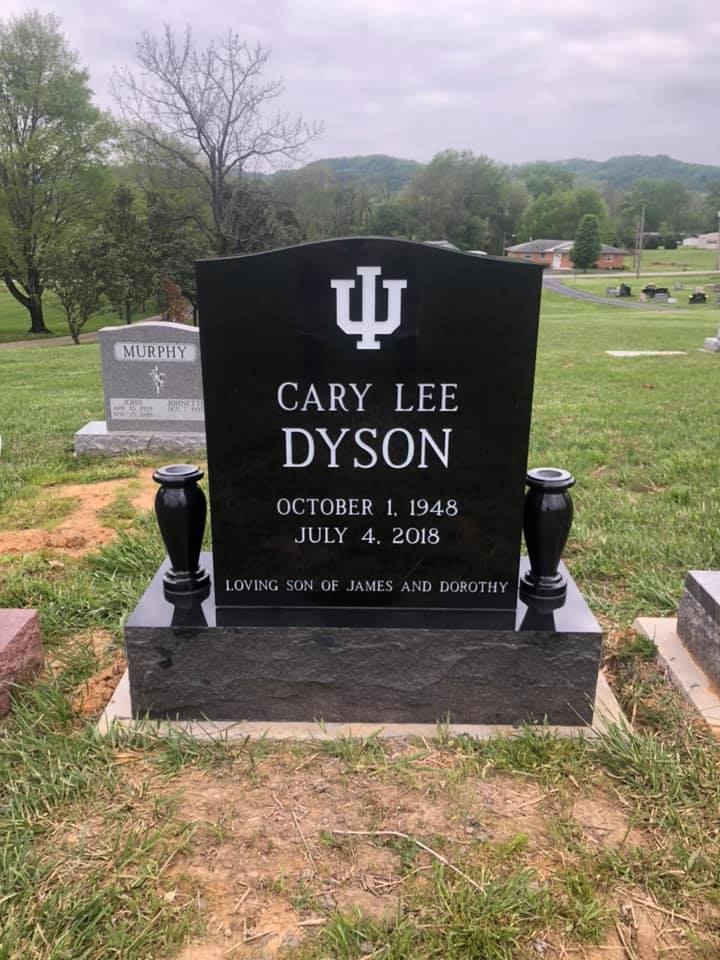
Historic atmosphere across the grounds

Selected views of monuments, landscape character, and the quiet architectural details that define the cemetery.

Administrative Office 123 Slater Street, 3rd Floor, Ottawa, Ontario K1P 5H2
Phone 613-233-9191